What Is PRP Hair Loss Treatment for Mens and Womens
 ysaacarias13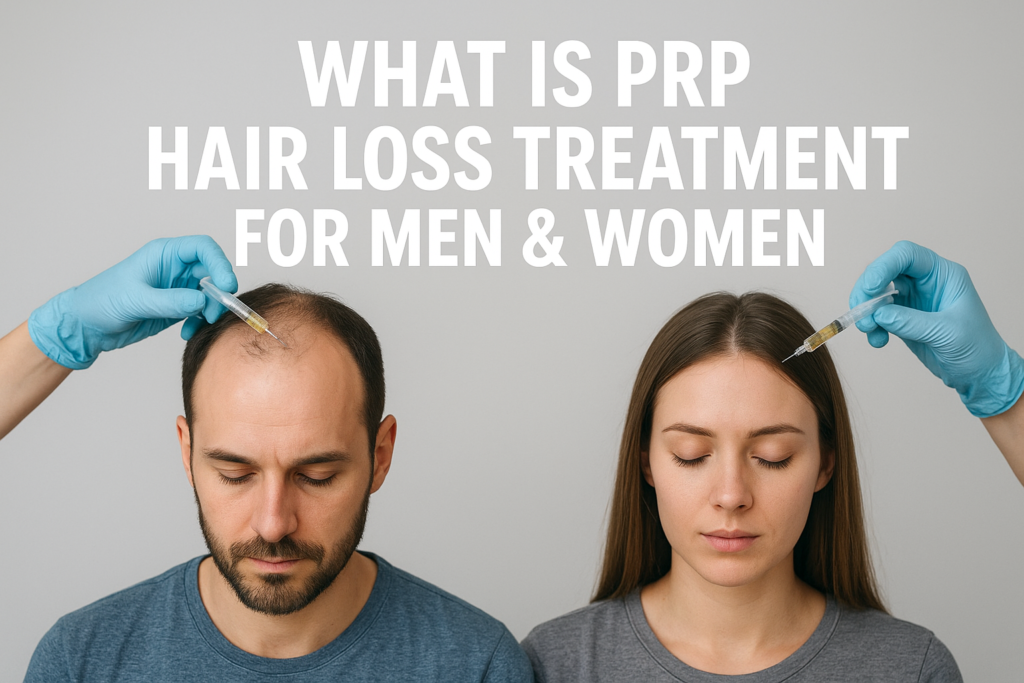
Hair loss rarely starts all at once. It begins silently: more hair on the pillow, thinner ponytails, widening parts, or receding temples. Many people ignore it—until it becomes impossible to hide.
If you’re here, chances are you’re asking the same question thousands of others are typing into Google right now:
what is PRP hair loss treatment, and does it really work?
This article will give you clear, honest answers, explain all modern hair loss treatments, and help you understand which options make sense—whether you’re dealing with menopause, perimenopause, hormonal changes, or genetic hair loss.
Let’s start from the beginning.
What Is PRP Hair Loss Treatment?
PRP (Platelet-Rich Plasma) hair loss treatment is a medical procedure that uses your own blood to stimulate hair growth.
How PRP Works (Simple Explanation)
- A small amount of your blood is drawn
- It’s spun in a centrifuge to concentrate platelets
- The platelet-rich plasma is injected into the scalp
- Growth factors stimulate dormant hair follicles
Platelets contain growth factors that help repair tissue, improve blood supply, and stimulate cell regeneration—including hair follicles.
That’s why PRP is widely used not only for hair loss but also in sports medicine, orthopedics, and skin rejuvenation.
Is PRP Hair Loss Treatment Scientifically Proven?
Yes—but with important limits.
What Studies Show
Clinical studies indicate PRP can:
- Reduce hair shedding
- Increase hair thickness
- Improve follicle activity
- Slow down progressive hair loss
PRP works best for:
- Early to moderate hair loss
- Androgenetic alopecia
- Hair thinning caused by hormonal changes
❗ PRP does not create new follicles. It strengthens existing ones.
Who Is PRP Hair Loss Treatment Best For?
PRP is suitable for both women and men, especially if hair loss is caught early.
Best Candidates
- Men with thinning crown or temples
- Women with diffuse thinning
- Hair loss after pregnancy
- Hair loss during menopause or perimenopause
- Stress-related hair shedding
Who May Not Benefit
- Advanced baldness
- Completely inactive follicles
- Certain autoimmune conditions
Hair Loss Treatment Menopause: Why It Happens
Hair loss during menopause is extremely common—and deeply emotional.
What Causes Hair Loss in Menopause?
- Drop in estrogen levels
- Increased sensitivity to androgens
- Slower hair growth cycles
- Reduced scalp blood circulation
Hair becomes:
- Thinner
- Weaker
- More prone to shedding
This is why many women search for hair loss treatment menopause solutions that go beyond shampoos.
Does PRP Help Menopause Hair Loss?
Yes. PRP can:
- Improve scalp circulation
- Reactivate weakened follicles
- Reduce excessive shedding
PRP is often combined with:
- Nutritional supplementation
- Topical treatments
- Lifestyle changes
Hair Loss Treatment Perimenopause: The Early Warning Stage
Perimenopause hair loss starts years before menopause, often catching women off guard.
Common Signs
- Hair thinning around the crown
- Increased shedding during washing
- Loss of volume
Because follicles are still active, PRP hair loss treatment during perimenopause tends to be especially effective.
Early action = better results.
Hair Loss Treatment Hims: Is It Enough?
Many people explore hair loss treatment Hims as a first step.
What Hims Offers
- Oral medications (finasteride)
- Topical minoxidil
- Subscription-based access
Pros
- Easy access
- Clinically proven medications
- Affordable entry-level treatment
Cons
- Side effects for some users
- Requires continuous use
- Doesn’t address scalp health directly
👉 PRP can be a powerful complementary treatment alongside Hims products, especially for users seeking better density and scalp stimulation.
Hair Loss Treatment Homeopathy: Does It Work?
Homeopathy remains controversial.
What Science Says
There is no strong clinical evidence that homeopathic remedies alone can reverse hair loss.
However, some people report benefits due to:
- Stress reduction
- Improved lifestyle habits
- Placebo effect
⚠️ Homeopathy should never replace evidence-based treatments like PRP, medications, or medical evaluations.
PRP vs Other Hair Loss Treatments
| Treatment | Works? | Side Effects | Long-Term |
|---|---|---|---|
| PRP Hair Loss Treatment | Yes (moderate) | Minimal | Yes |
| Minoxidil | Yes | Mild | Continuous use |
| Finasteride | Yes | Hormonal | Continuous |
| Hair Transplant | Yes | Surgical | Permanent |
| Homeopathy | Unproven | None | Uncertain |
Supporting Hair Growth at Home (Evidence-Based)
PRP works best when combined with daily scalp and hair care.
🔹 Amazon Product #1: Laser Hair Growth Cap
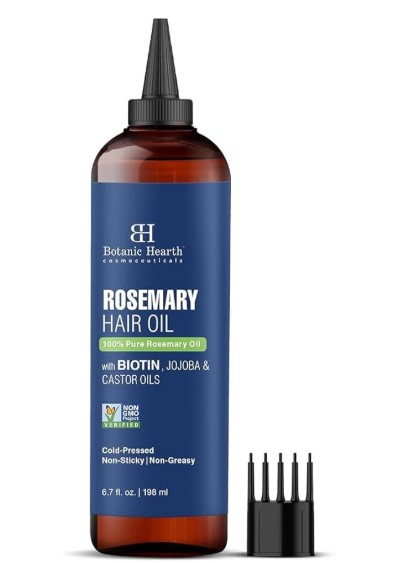
Low-level laser therapy has been shown to:
- Improve follicle activity
- Increase hair density
- Support PRP results
🔹 Amazon Product #2: Biotin & Hair Vitamins

https://amzn.to/4p4mjmU👉 https://amzn.to/4p4mjmU
Deficiencies in biotin, zinc, or iron can worsen hair loss—especially in women.
🔹 Amazon Product #3: DHT-Blocking Shampoo
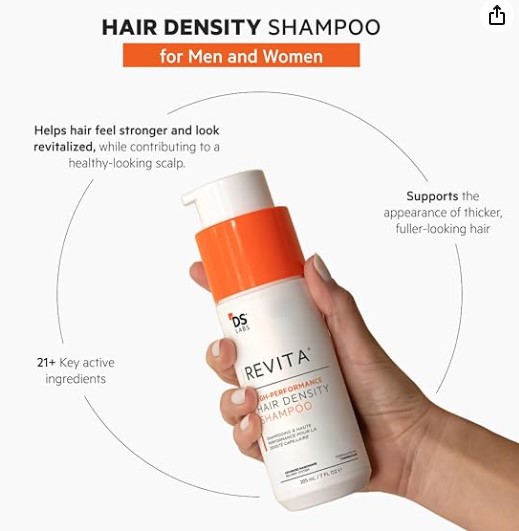
Helps reduce scalp inflammation and supports healthier follicles.
How Many PRP Sessions Are Needed?
Typical protocol:
- 3–4 initial sessions (monthly)
- Maintenance every 6–12 months
Results appear gradually:
- Less shedding: 2–3 months
- Thicker hair: 4–6 months
- Best results: 9–12 months
Is PRP Hair Loss Treatment Safe?
Yes. PRP uses your own blood, so:
- No risk of allergic reactions
- Minimal side effects
- No hormonal interference
Common mild effects:
- Temporary redness
- Slight soreness
- Mild swelling
PRP for Men vs Women: Key Differences
Men
- Usually androgenetic alopecia
- PRP slows progression
- Best combined with medication
Women
- Hormonal or diffuse thinning
- PRP improves density
- No hormonal side effects
This makes PRP especially attractive for women who cannot or do not want hormonal treatments.
Can PRP Prevent Hair Transplant Surgery?
In many cases, yes.
PRP can:
- Delay the need for surgery
- Improve transplant outcomes
- Strengthen existing hair
Early intervention is key.
Final Thoughts: Is PRP Hair Loss Treatment Worth It?
If you’re asking what is PRP hair loss treatment, you’re already taking the first step toward control.
PRP is:
✔ Scientifically supported
✔ Safe for men and women
✔ Effective when done early
✔ Best combined with lifestyle and scalp care
Hair loss doesn’t define you—but ignoring it gives it power.
The earlier you act, the more hair you keep.
✅ SEO Summary
- Primary keyword used naturally
- Secondary keywords integrated by intent
- Commercial + informational balance
- Optimized headings (H1, H2, H3)
- High retention structure
- Amazon affiliate integration